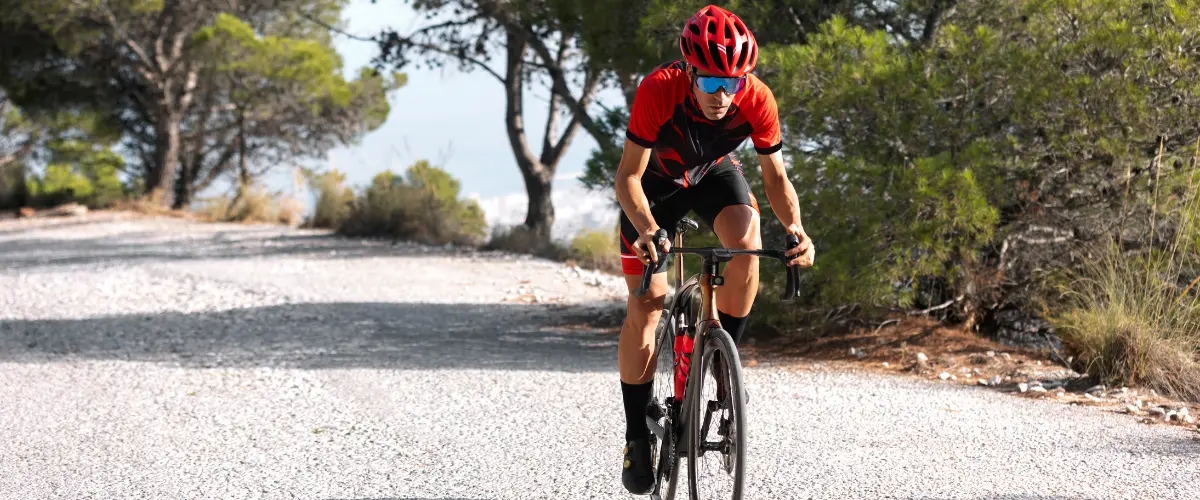
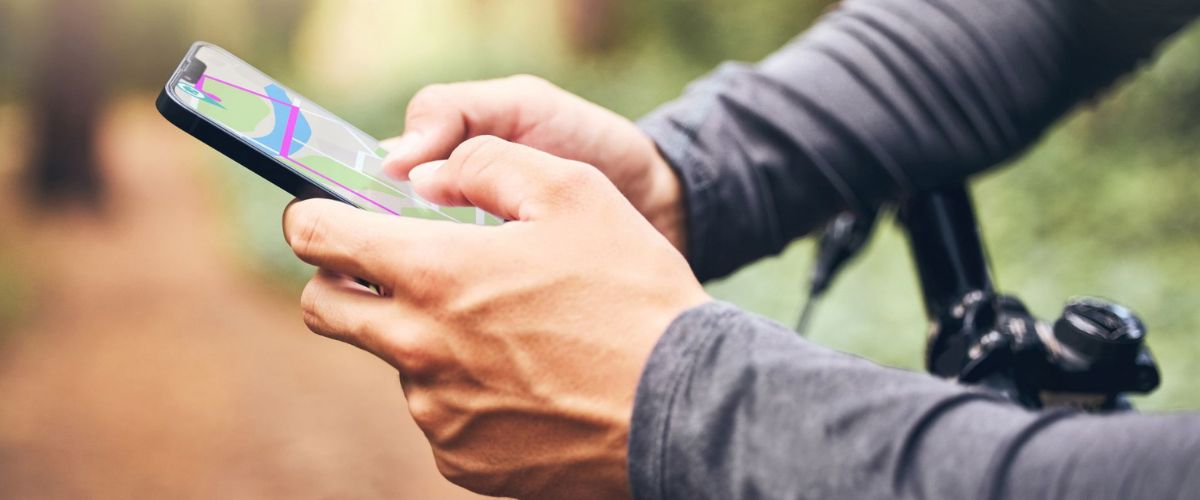
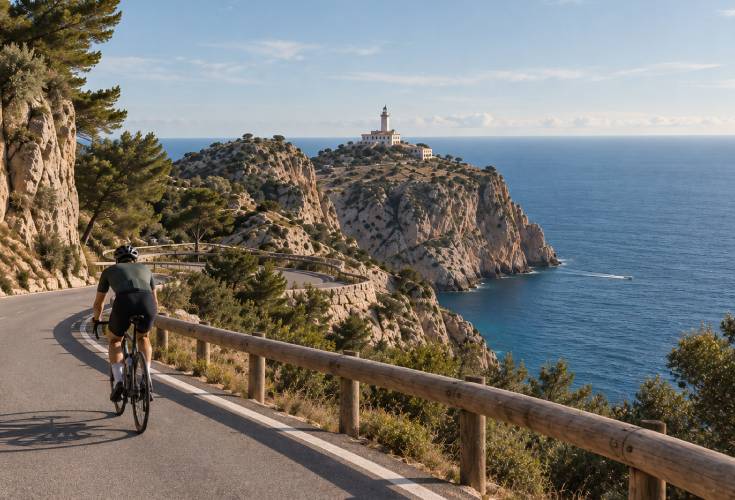
You wake up early. There’s no group waiting for you, nor a guide marking the start. Just you, your bike and a route loaded onto your GPS. You set off as the Mediterranean begins to reflect the light of dawn.
That’s a self-guided bike tour: a self-guided cycling trip where you decide the pace, the stops and the intensity.
This format combines planning with freedom. Routes are usually pre-planned, accommodation can be booked in advance, and it’s even possible to arrange luggage transfers between hotels. But, at the same time, you aren’t tied to rigid timetables or a group. Independent active tourism has seen steady growth in recent years, particularly in Europe, according to data from the Adventure Travel Trade Association. Autonomy is the new priority for the active traveller. Mallorca, thanks to its infrastructure and geography, is one of the destinations where this format works best.
Why Mallorca is one of the best destinations for self-guided bike tours
The island has established itself as one of the leading cycling destinations in Europe thanks to a combination that is very difficult to match: professional infrastructure, varied terrain and ideal weather conditions within a relatively small area.
Professional cycling infrastructure
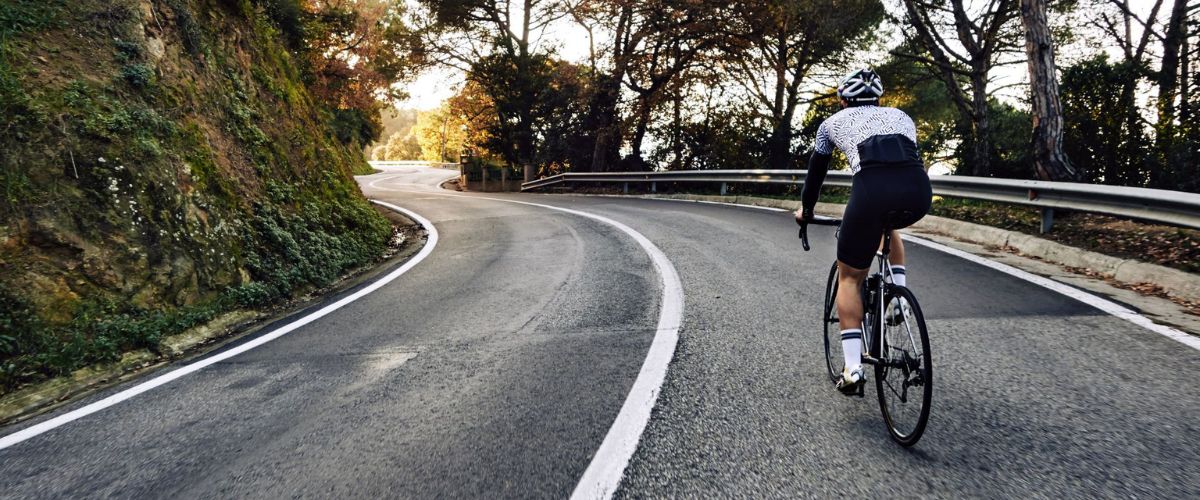
Mallorca is a regular training base for professional cycling teams, and this has shaped the island’s development. The roads are in excellent condition, drivers are usedto sharing the roads with cyclists, and it is easy to find specialist workshops or high-end bike hire.
Furthermore, many accommodation options are perfectly suited to cycle tourism, with secure bike storage, maintenance areas and specific services for cyclists. All of this makes Mallorca a particularly comfortable and safe environment for organising self-guided bike tours without the need for external logistical support.
Varied terrain within short distances
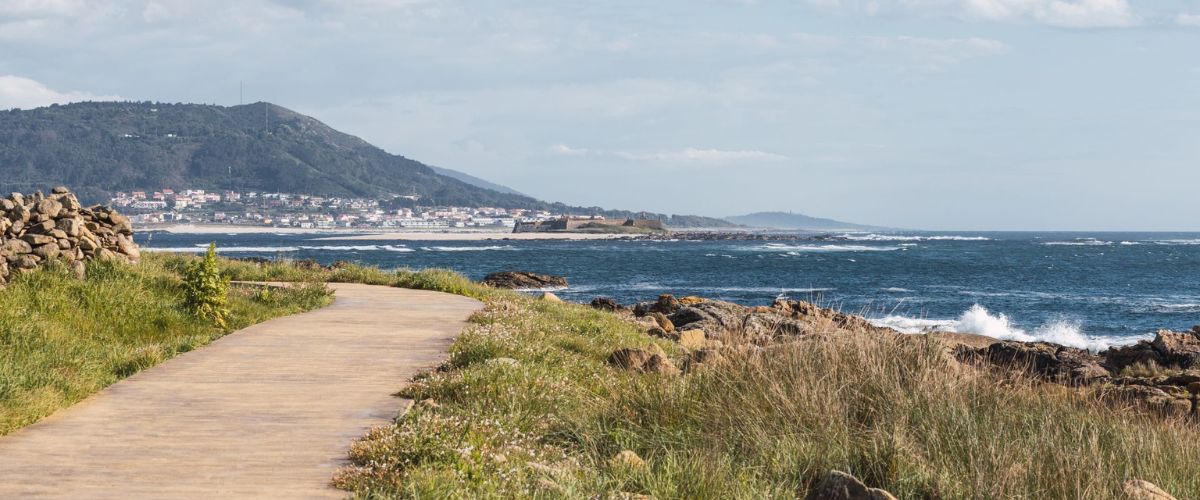
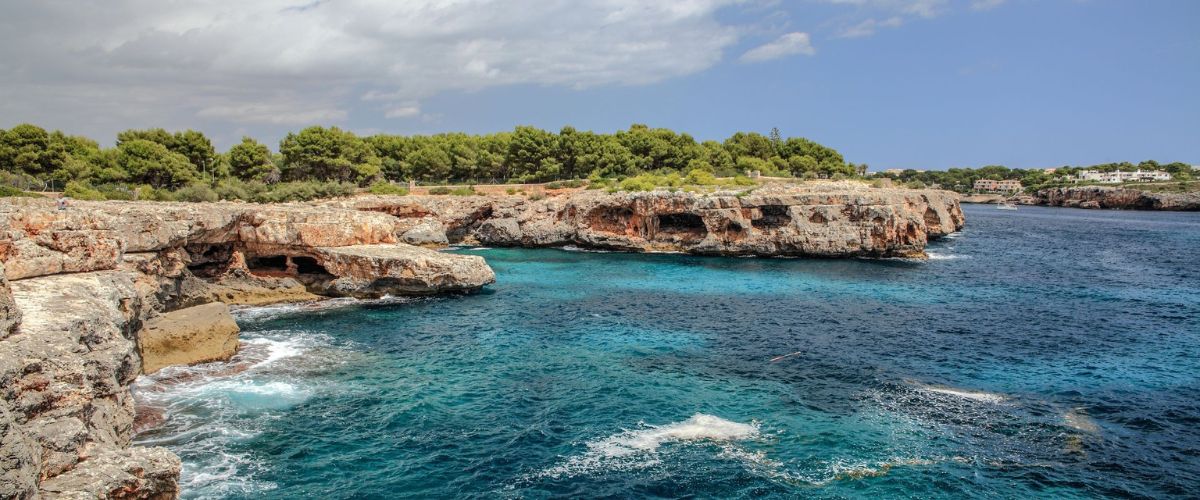
One of Mallorca’s great attractions is the ease with which the landscape changes over just a few kilometres. In a single week, you can cycle through the agricultural plains of the Pla de Mallorca, tackle demanding mountain passes in the Serra de Tramuntana or enjoy coastal roads with panoramic views of the Mediterranean.
You can also climb legendary, internationally renowned mountain passes, all without This variety allows you to design very balanced itineraries, alternating demanding stages with gentler days without the need for long journeys.
A climate that boosts performance
The climate is another major argument in favour of organising self-guided bike tours in Mallorca. The months of March, April and May, as well as September and October, offer mild temperatures and optimal conditions for clocking up the miles with good performance.
Winter is perfect for training, especially for cyclists from northern Europe looking to escape the cold. Even in summer, by setting off early to avoid the hottest part of the day, it is possible to enjoy spectacular routes.
How to plan your self-guided bike tours in Mallorca
Before planning your routes, it’s a good idea to decide what kind of experience you want to have. Not all self-guided cycling trips follow the same format: some prioritise logistical convenience, others aim to explore the island gradually, and others are focused on sporting performance.
Fixed base model (hub & spoke)
In this model you stay in the same place for the entire trip and each day you set off on a different route returning to the same point. It is one of the most popular options because it greatly simplifies the logistics.
You don’t change hotels, you rest better by maintaining a stable routine and you reduce organisational stress. Furthermore, it is a particularly attractive option if you are travelling with companions who do not necessarily cycle every day.
The north of Mallorca is the most strategic area for this format. From Port de Pollença, you can access iconic locations such as Formentor, the Monastery of Lluc or numerous climbs in the Serra de Tramuntana without the need for car transfers. If you’re looking for an efficient base clearly geared towards cycle tourism, the Duva Aparthotel & Spa stands out for its location. From there, you can start cycling straight away, optimising your time on the road and avoiding unnecessary travel.
Point-to-point route
The point-to-point route involves travelling each day to a new destination, staying in a different village at each stage. It is a more adventurous and dynamic option, ideal for those who wish to explore the island progressively.
This format allows you to discover different landscapes and atmospheres in a single week, but requires more precise planning. It is common to arrange luggage transfers between accommodation or hire external logistical support to avoid overloading the bike.
Performance mode
Some cyclists design their trip around the island’s major mountain passes. In this case, the itinerary is organised according to the cumulative elevation gain and the difficulty of the climbs.
Climbs such as Sa Calobra, Puig Major, Coll de Sóller or Coll de Femenia become the focus of the trip.
Mallorca is particularly appealing for this type of planning because it allows you to link together mountain passes of high cycling quality over relatively short distances.
Must-do routes for your self-guided bike tours
One of the great advantages of cycling in Mallorca is the concentration of iconic routes. In just a few days, you can explore some of the best-known roads in European cycling.
Cap de Formentor
Cap de Formentor is probably the most iconic road in northern Mallorca. From Port de Pollença, the full route is around 40 kilometres there and back, making it an accessible yet visually stunning stage.
The road winds along the coast with constant undulating sections, natural viewpoints and sweeping views of the Mediterranean. It is advisable to set off early, especially in high season, to avoid traffic and wind.
Sa Calobra
If there is one climb that defines the island’s cycling character, it is Sa Calobra. The climb is approximately 9.5 kilometres long with an average gradient of 7%.
The famous “bow tie” has become one of the most photographed bends in European cycling and an icon for those seeking landmark challenges. Sa Calobra is an experience that combines technical skill, endurance and spectacular scenery.
Serra de Tramuntana
The Serra de Tramuntana, declared a World Heritage Site by UNESCO, is the mountainous heart of Mallorca and the main setting for many cycling routes. Cycling here involves tackling mountain passes, passing through historic villages and pedalling amongst centuries-old terraced fields. The combination of cultural landscape and cycling makes this area a unique experience.
Lluc and Coll de Femenia
The climb to the Monastery of Lluc, combined with the Coll de Femenia, offers a gradual ascent in a relatively peaceful mountain setting. Traffic is usually light and the landscape becomes increasingly rugged as you gain altitude, making this stage a very well-balanced option within a week-long itinerary.
Tips for better planning your routes
Good planning makes the difference between a challenging but enjoyable trip and an experience that is too gruelling.
Assess your actual fitness level
Mallorca has a distinctive feature: it allows you to accumulate a significant elevation gain almost without realising it. The roads feature a succession of constant climbs, steep gradients and long mountain passes which, when added together, can create a significant physical burden.
Before designing your stages, take an honest look at your fitness level, your mountain experience and your ability to recover. Adjusting the distance and elevation gain to your current condition is key to ensuring the trip is progressive and sustainable.
Choose the right season
Spring and autumn offer the best balance between pleasant weather and fewer tourists.
In summer, it is advisable to set off early to avoid the heat, whilst winter is ideal for training.
Choose a strategic base
Staying in the north of Mallorca provides direct access to the Serra de Tramuntana, Formentor, Lluc and Coll de Femenia. From a well-located base such as the Duva Aparthotel & Spa, you can alternate mountain stages with flat recovery rides without the need for additional transport.
Download reliable routes
Apps such as Komoot, Strava or Ride with GPS allow you to plan routes with great precision. Before each ride, it is advisable to check the elevation profile, water points and weather forecast.
Schedule recovery days
One of the most common mistakes is to string together tough stages over several consecutive days. Alternating intensity with gentle rides or active rest improves your overall performance during the trip.
What sets Mallorca apart from other European destinations
Mallorca competes directly with some of Europe’s most renowned cycling destinations. However, its combination of accessibility, variety and balance between challenge and enjoyment makes it particularly attractive for those looking to organise self-guided bike tours with complete autonomy. Comparing it with other leading destinations helps to better understand its advantages.
Compared to the Alps
The Alps epitomise the world of mountain cycling, but they also involve extreme altitudes, unpredictable weather and very long climbs that require specific preparation. Mallorca, on the other hand, offers consistent and technical climbs without reaching extreme altitudes. The total elevation gain can be high, but it is more accessible and manageable for a wide range of cyclists. Furthermore, the weather is considerably more stable for much of the year.
Compared to Girona
Girona has established itself as an international cycling hub, particularly due to its professional cycling community and its proximity to the Pyrenees. However, Mallorca offers a much greater variety of coastal scenery, with scenic routes along the coast that fit easily into weekly planning.
Compared to the Canary Islands
The Canary Islands are an excellent option in the depths of winter, particularly due to their mild temperatures when the rest of Europe faces adverse conditions. However, the volcanic landscape tends to be more uniform compared to the diversity offered by Mallorca.
Mistakes to avoid on your self-guided bike tours
One of the most common is overestimating your own ability in the mountains. Although the island’s mountain passes do not reach extreme altitudes, it is easy to accumulate a significant amount of elevation gain in a single day. Planning overly ambitious stages can turn a day of enjoyment into an excessively demanding one.
Another factor that many cyclists underestimate is the north wind. Depending on the direction of the route, it can significantly increase the difficulty of a stage, especially on exposed roads or coastal stretches.
It is also common to neglect hydration and nutrition whilst out on a ride. On long stages or in high temperatures, maintaining a steady intake of water and energy is essential to avoid a drop in performance.
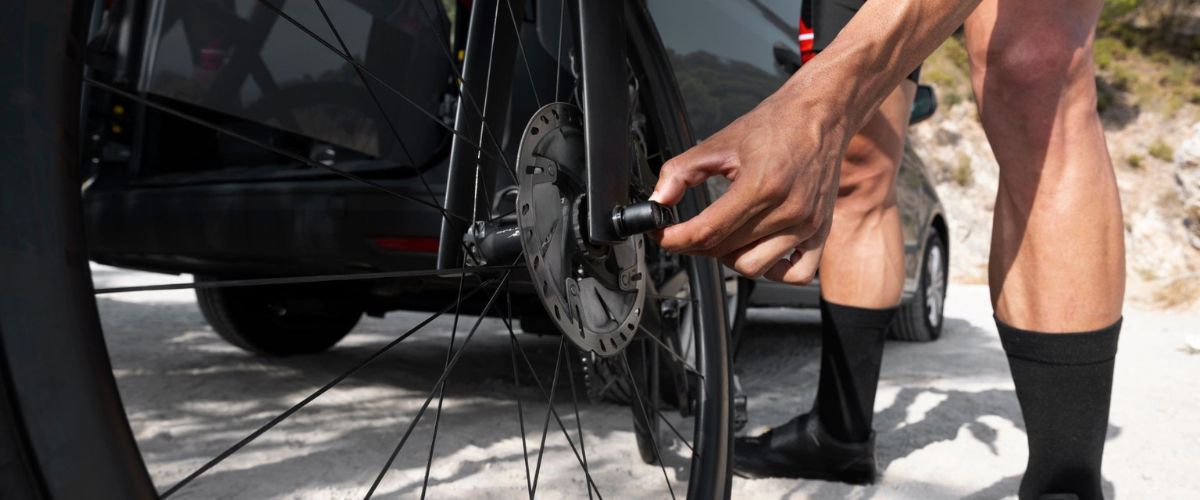
Finally, it is important not to forget to check your bike before every ride. Checking tyre pressure, brakes, drivetrain and minor mechanical adjustments can prevent problems during the stage.
Combining cycling with local experiences
Cycling trips around Mallorca don’t have to focus solely on performance. One of the great attractions of exploring the island by bike is the chance to combine sport with local experiences.
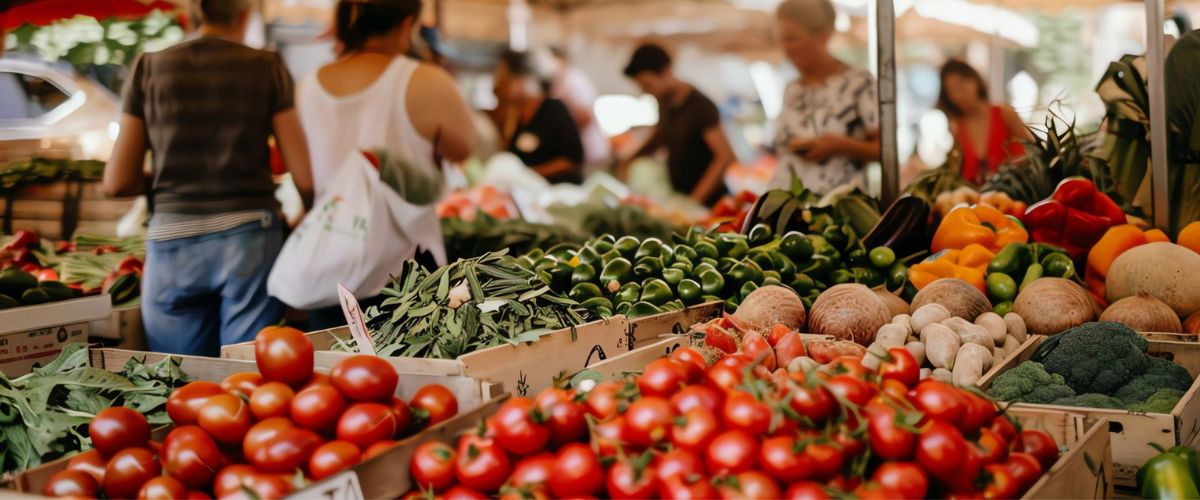
Between stages, you can visit traditional markets such as the one in Pollença, discover wineries in the Binissalem area or enjoy Mallorcan cuisine after a demanding day.
Sunset coastal rides or stops in small mountain villages add a cultural dimension that makes the trip a much more complete experience.
Is a self-guided bike tour in Mallorca right for you?
This type of trip usually suits cyclists looking for independence during their journey particularly well.
If you enjoy planning your own routes, using GPS navigation and setting your own daily pace, you’ll probably feel at home on a self-guided trip.
However, if you prefer a fully organised structure or to rely on a guide to manage all the logistical details, a group tour may be more suitable.
Frequently asked questions about self-guided bike tours in Mallorca
FAQ Self guided bike tours
How many days are recommended?
A 7-day trip allows you to combine several iconic routes with rest days. However, with 4 or 5 well-planned days, it is also possible to enjoy a very fulfilling experience.
Is Mallorca suitable for beginners?
Yes. The inland areas of the island offer flatter, more accessible routes. The climbs in the Serra de Tramuntana require an intermediate level of fitness, but can be gradually incorporated into the itinerary.
Is it safe to cycle on the island?
Mallorca is considered one of the safest European destinations for cycling thanks to the quality of its roads and the generally harmonious coexistence between motorists and cyclists.
When is the best time of year for self-guided bike tours in Mallorca?
The best months to visit are April, May, September and October, when the weather is mild and there are fewer tourists.
Do you need to bring your own bike?
It isn’t essential. Mallorca has numerous specialist shops offering high-end bike hire with professional fitting and mechanical support.