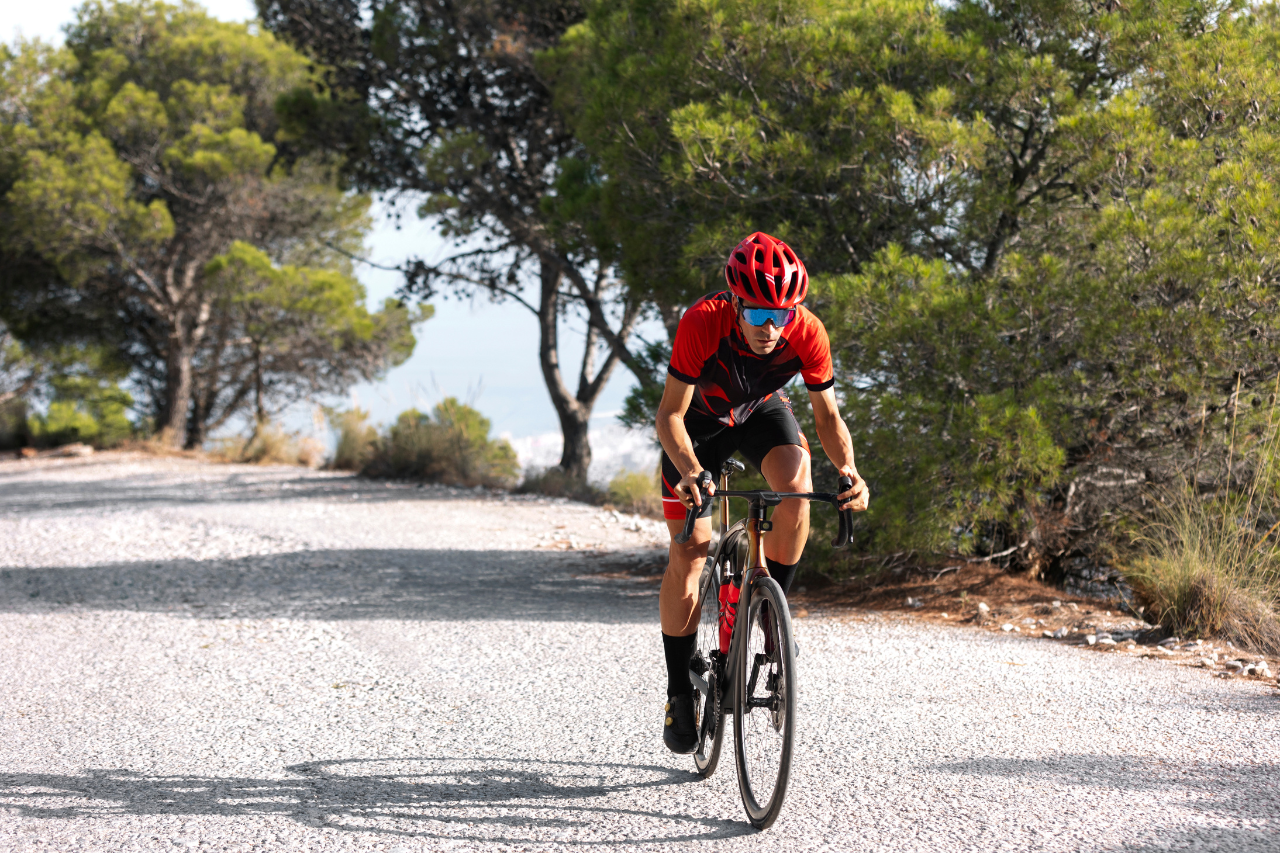
If you want to improve your cycling, simply heading out for a ride without a plan isn’t enough. You need a clear plan, tailored to your level, and an environment that allows you to follow it without restrictions.
Puerto de Pollensa offers precisely these conditions: varied terrain, good roads and direct access to some of Mallorca’s best-known mountain passes.
In this article, you’ll find a cycling training plan organised by level, designed to help you know what to do at each stage and how to progress realistically, whether you’re just starting out or already have experience on the bike.
Why Puerto de Pollensa is ideal for cycling training
For a cycling training plan to work, it’s not just how you train that matters, but also where you do it.
Puerto de Pollensa has established itself as one of Europe’s most comprehensive cycling destinations because it allows you to work on all aspects of performance in a single environment.
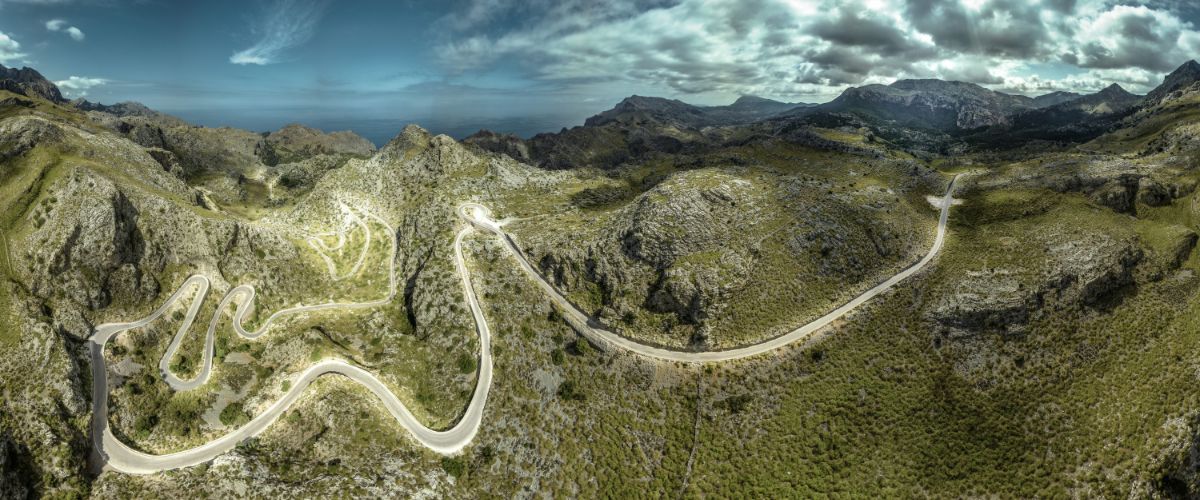
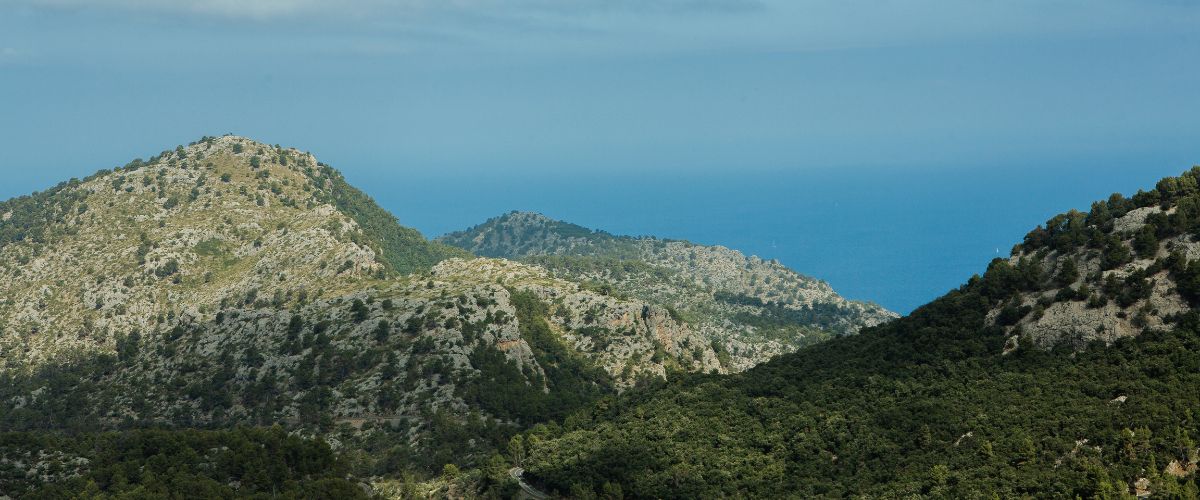
From here you have direct access to the Sierra de Tramuntana, a UNESCO World Heritage Site, with challenging mountain passes alongside flat stretches ideal for long rides.
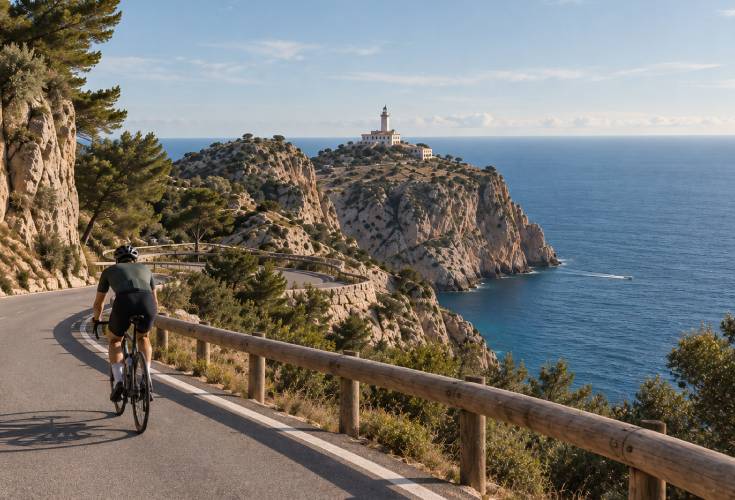
Added to this is a stable climate for much of the year and a network of well-paved roads with relatively little traffic, making it easier to maintain consistency in training. This combination allows for everything from basic aerobic sessions to high-intensity workouts without the need for long journeys.
Furthermore, having accommodation tailored to cyclists greatly simplifies daily logistics. The Duva Aparthotel & Spa offers facilities such as bike storage, recovery areas and a strategic location that allows you to head straight out for a training ride, optimising both your time and your rest.
How to structure a cycling training plan
One of the most common mistakes when following a cycling training plan is always repeating the same type of ride. Riding a lot does not guarantee improvement if there is no structure behind it.
This is where periodisation comes into play, an approach that organises training into phases with specific objectives. This allows you to progress in a controlled manner and avoid plateaus.
Base phase: building endurance
In this first stage, the aim is to develop a solid aerobic base, which is essential for any cyclist.
You train at low or medium intensities and a relatively high volume, prioritising long, steady rides. It’s not about going fast, but about accumulating quality time on the bike and improving pedalling efficiency.
Build phase: gaining power
Once the base is established, the next step is to introduce more demanding stimuli. This is where intervals and changes of pace begin to appear.
The aim is to improve the ability to sustain intense efforts, progressively increasing the workload. This is a key phase for starting to notice real improvements in performance.
Fine-tuning phase: specific performance
In the final phase, training becomes more specific. Volume is reduced slightly and priority is given to short but demanding sessions, focused on a specific goal (a race, a personal challenge or simply performing better).
Here, you work on high intensity and recovery capacity, fine-tuning your fitness.
Practical application in Puerto de Pollensa
This type of structure fits particularly well in Puerto de Pollensa. You can dedicate your base days to long rides on flat or slightly undulating terrain, whilst the build-up and fine-tuning phases find the perfect setting in mountain passes such as Sa Calobra or Coll de Femenia.
This allows you to follow a complete training plan without changing location, something that is not common in other cycling destinations.
Training phaseMain objectiveType of workKey characteristicsBase phaseBuild aerobic enduranceLow-medium intensity, high volumeLong, steady rides, improved pedalling efficiency, accumulation of time on the bikeBuild-up phaseGaining powerIntervals and changes of paceProgressive increase in load, improved ability to sustain intense effortsFine-tuning phaseSpecific performanceHigh intensity, lower volumeShort, demanding sessions, recovery work, focus on specific goalsApplication in Puerto de PollensaAdapting the plan to the environmentCombination of terrainsFlat or undulating rides for base training, mountain passes such as Sa Calobra or Coll de Femenia for intensity
Cycling training plan for beginners
If you’re just starting out or haven’t trained regularly for a while, this is the place to start. At this level, a cycling training plan that doesn’t focus on speed or immediate performance, but rather on building a solid foundation that allows you to progress safely.
The main aim is for your body to adapt to the effort gradually, improving your endurance, pedalling technique and ability to maintain a steady pace.
Beginner-level objectives
In this phase, you should focus on three basic pillars: Building aerobic endurance by increasing the time spent on the bike without excessive fatigue. Improving cadence by developing a more efficient pedalling style. Adapting muscles and joints to repeated exertion.
Recommended frequency
The most effective approach is to train 3 days a week, leaving rest days between sessions. This allows you to adapt to the workload without overtraining, which is essential at the start.
Example of a training week
Day 1: Easy ride (60 minutes)
Ride at a comfortable pace, where you can hold a conversation without difficulty. In Puerto de Pollensa, the bay area is perfect for this type of session, with favourable terrain and no major demands.
Day 2: Technique and cadence (45 minutes)
Here the focus isn’t on intensity, but on how you pedal. Maintain a lively cadence on flat terrain, avoiding heavy gears. This type of work improves efficiency and reduces fatigue in the long term.
Day 3: Long ride (90 minutes)
This is the most important session of the week. Maintain a steady pace without pushing too hard, prioritising consistency. The aim is to get your body used to longer periods of exertion.
The key: consistency over intensity
At this level, the most common mistake is wanting to progress too quickly. Real improvement comes from consistent weekly training, not from occasional, very demanding sessions.
Furthermore, reducing friction in your daily life helps more than you might think. Having accommodation tailored to cyclists, such as the Duva Aparthotel & Spa, makes it easier to maintain your routine thanks to its location, specific services and recovery options after each ride.
Intermediate cycling training plan
Once you’ve built a solid foundation, the next step in your cycling training plan is to introduce stimuli that actually promote adaptation. At this level, training is no longer just about racking up kilometres but becomes a combination of volume, intensity and effort control.
This is where you start to notice clear improvements if you train effectively.
Intermediate-level objectives
In this phase, the focus is on:
- Improving your functional threshold power (FTP), i.e. the intensity you can maintain during prolonged efforts.
- Introducing high-intensity training sessions, such as structured intervals.
- Increasing weekly volume, whilst maintaining quality.
Recommended frequency
It is common to train between 4 and 5 days a week, combining demanding sessions with active recovery days. The key is to balance workload and rest.
Example of a training week
Day 1: Recovery run (60 minutes)
A gentle run to assimilate the accumulated load. Comfortable pace, without fatigue.
Day 2: Intervals (1h15)
Introduce structured training:
- 4 blocks of 5 minutes at high intensity
- 3 minutes’ recovery between each block
This type of session is key to improving your ability to sustain intense effort.
Day 3: Medium-intensity ride (90 minutes)
Steady pace in the medium aerobic zone. Here you build up your endurance without causing excessive fatigue.
Day 4: Uphill strength training (1h30)
Make the most of the roads in the Sierra de Tramuntana to build strength on the bike. Maintain lower cadences on steady climbs, controlling your effort.
Day 5: Long ride (2–3 hours)
Key session of the week. Combines flat terrain and moderate gradients, maintaining a sustainable pace.
Recommended routes from Puerto Pollensa
One of the great advantages of training here is that you can maintain this level without repeating routes:
- Pollensa – Lluc: ideal for building endurance and steady climbing.
- Pollensa – Formentor: perfect for combining technique, changes of pace and demanding sections.
These routes not only provide variety, but also allow you to replicate real-life exertion scenarios, which is essential at this stage.
What makes the difference at this level
At this stage, simply going out for a ride is no longer enough. Improvement comes from training with purpose, controlling your pace, and understanding when to push hard and when to recover.
Many cyclists plateau at this point because they fail to structure their intensity properly. If you adjust your workload correctly and make the most of the terrain, this is the level where you really take a leap in performance.
| Training phase |
Main objective |
Type of work |
Key features |
| General focus |
Building a solid foundation |
Low intensity, progressive adaptation |
Improvement in endurance, pedalling technique and ability to maintain a steady pace |
| Foundation phase (beginner) |
Develop aerobic endurance |
Gentle, steady rides |
Increase time on the bike without excessive fatigue |
| Build-up phase (technical) |
Improve paddling efficiency |
Cadence work |
Increase time on the bike without excessive fatigue |
| Fine-tuning (adaptation) phase |
Preparing the body for exertion |
Progressive load |
Adaptation of muscles and joints |
| Application in Puerto de Pollensa |
Applying the plan in a real-world setting |
Combination of sessions |
A bay for gentle rides and an ideal setting with cycling facilities |
Advanced cycling training plan
At this stage, your cycling training plan is no longer aimed at general improvements, but at optimising every detail of your performance. You are working close to your limit, so the difference is not made by the kilometres, but by how you manage intensity, fatigue and recovery.
This level is aimed at cyclists preparing for competitions or who want to reach their maximum potential.
Advanced-level objectives
Here, training focuses on:
- Maximising power in high-intensity zones (threshold and VO2 max)
- Refining your effort strategy, especially on climbs
- Optimising recovery to sustain high workloads
The key is not to train more, but to train better.
Recommended frequency
It is common to train between 5 and 6 days a week, combining very demanding sessions with active recovery days. At this level, fatigue management is just as important as the training itself.
Example of a training week
Day 1: Active recovery (1 hour)
Very gentle ride to aid muscle recovery. Essential after intense intervals.
Day 2: VO2 max intervals (1h30)
- 5 sets of 4 minutes at very high intensity (VO2 max zone)
- Incomplete recovery between efforts
This type of session improves your ability to sustain efforts close to maximum intensity.
Day 3: Endurance ride (3 hours)
Long ride in the aerobic zone, maintaining pedalling efficiency and economy.
Day 4: Hill intervals (2 hours)
Specific strength and endurance work on mountain passes. Control your cadence and pacing during prolonged efforts.
Day 5: Tempo ride (2 hours)
Sustained pace in the medium-high zone. Here you train your ability to maintain a constant speed without peaks of fatigue.
Day 6: Long ride (4–5 hours)
Key session to build endurance and simulate real race conditions.
Key training sessions in Puerto Pollensa
This is where the Pollensa mountain passes set it apart from other destinations. You have access to some of the most comprehensive mountain passes for working on real-world performance:
- Sa Calobra: ideal for long, controlled efforts; an international benchmark for measuring performance
- Coll de Femenia: perfect for sustained effort and structured intervals
- Puig Major: a combination of distance, elevation gain and continuous challenge
These mountain passes allow you to replicate race conditions with precision, which is essential at this level.
What sets advanced cyclists apart
At this level, many train hard, but few train with precision. Real improvement comes from:
- Controlling intensity zones (power or heart rate)
- Adjusting weekly workload to avoid overtraining
- Prioritising recovery as much as effort
Puerto de Pollensa not only offers you the terrain, but the chance to execute a complete plan without interruptions. And that is where the real differences are made.
| Training phase |
Main objective |
Type of training |
Key characteristics |
| General approach |
Improve performance and promote adaptation |
Combination of volume and intensity |
Effort control, visible improvements if training is structured |
| Base phase (endurance) |
Build aerobic endurance |
Medium-distance rides and long rides |
Increase weekly volume whilst maintaining quality |
| Build phase (intensity) |
Improve functional threshold (FTP) |
Structured intervals |
High-intensity work with controlled recovery |
| Fine-tuning phase (strength and control) |
Developing strength and sustaining effort |
Uphill training and specific sessions |
Lower cadences on climbs, effort control |
| Application in Puerto de Pollensa |
Training with real variety |
Combination of routes |
Routes such as Pollensa–LLuc or Formentor allow you to work on endurance, technique and intensity |
Nutrition and recovery: what really helps you improve
You may have the best cycling training plan, but if you don’t look after your nutrition and recovery, your progress will stall. At intermediate and advanced levels, this factor is often what makes the real difference.
It’s not just about eating “well”, but about eating at the right time and helping your body cope with the training load.
Before training: start with plenty of energy
Ideally, you should start each session with sufficient energy reserves, especially if you’re going to be training intensely.
- Prioritise complex carbohydrates (oats, rice, pasta, wholemeal bread) 2 to 3 hours beforehand.
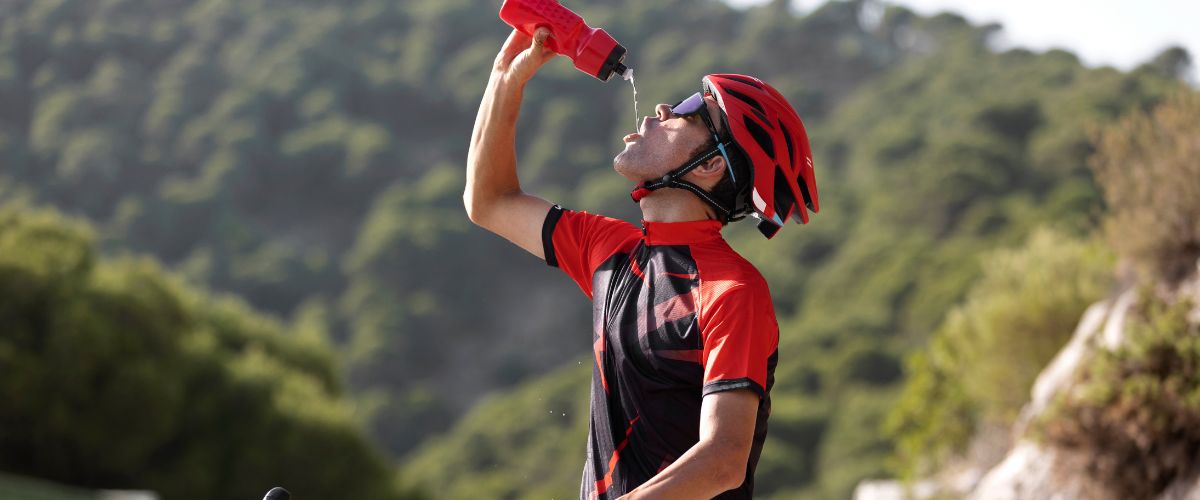
- Ensure you are well hydrated beforehand, not just immediately before you start.
Training in a constant energy deficit limits both performance and subsequent recovery.
During training: maintaining performance
On rides lasting more than 90 minutes, nutrition during exercise is no longer optional.
- Constant hydration with water and mineral salts.
- Intake of fast-acting carbohydrates (gels, bars or fruit) every 30–45 minutes.
This prevents drops in performance and allows you to maintain intensity during long or demanding training sessions.
After training: speed up recovery
Recovery begins as soon as you get off the bike. This is where many cyclists miss out on opportunities for improvement.
Combine protein and carbohydrates within the first hour after training. Hydrate properly to restore fluid balance. This period, known as the ‘recovery window’, is key to reducing accumulated fatigue and preparing for the next session.
Rest is also part of training
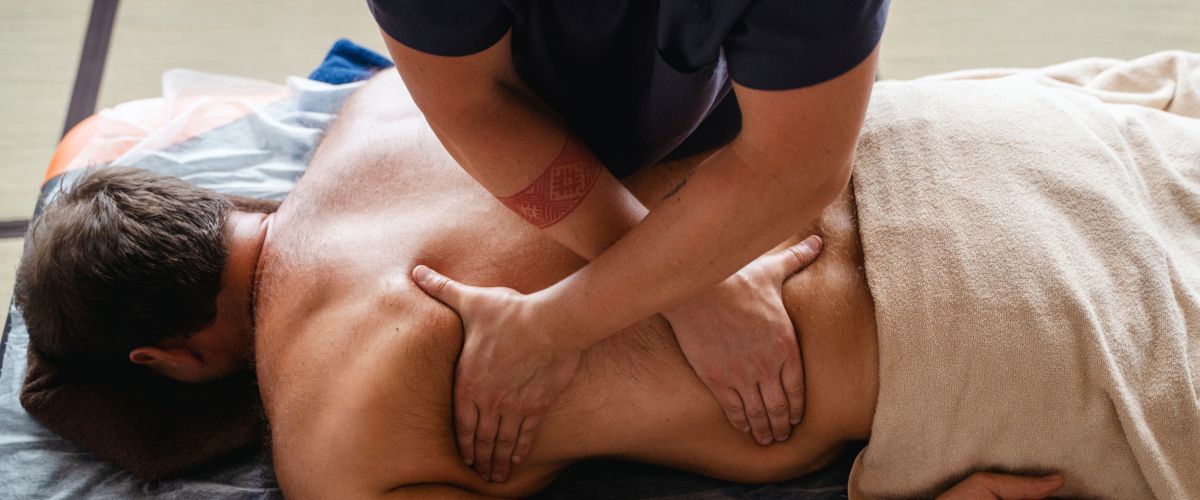
Sleeping well and aiding muscle recovery is just as important as any bike ride. Adaptation to exercise occurs during rest, not whilst you’re training.
That’s why taking care of the environment in which you recover makes all the difference. Staying somewhere that facilitates this process, such as the Duva Aparthotel & Spa, allows you to combine training, rest and muscle recovery in the same space, which is particularly useful when you’ve had several days of intense training.
Common mistakes in a cycling training plan
Avoiding these mistakes saves you months of stagnation:
- Always training at the same intensity: This approach prevents real adaptations from taking place, as the body quickly gets used to that stimulus. The solution lies in varying the intensities, combining easy rides, tempo sessions and intervals.
- Not resting enough: Training several days in a row without adequate rest reduces performance and increases the risk of accumulated fatigue.
- Copying plans without adapting them: Adjust volume, intensity and frequency according to your actual situation.
- Ignoring nutrition: Paying attention to your intake before, during and after training is part of the process, not an afterthought.
- Overtraining: More is not always better. Increasing volume and intensity without control can lead to overtraining, with symptoms such as constant fatigue, poor performance or a lack of motivation.
How to adapt your cycling training plan to your stay in Puerto Pollensa
Most cyclists who come to Puerto de Pollensa do so for a few days or weeks with a clear goal: to make the most of every ride. Adapting your cycling training plan to the time available is key to not missing out on opportunities for improvement.
If you’re staying for 3 to 5 days
On short stays, the aim isn’t to build a base, but to generate quality training stimuli.
- Prioritise high-intensity sessions (intervals, demanding climbs)
- Choose key routes that focus on effort and performance
Here it makes sense to include mountain passes such as Sa Calobra or Coll de Femenia, even if the total volume is lower.
If you’re staying for 1 to 2 weeks
This is the most interesting format, as it allows you to follow a complete mini training cycle.
- Combine base days with high-intensity sessions
- Include long rides and hill work
- Allow for recovery days
You can structure your weeks very much like a real training plan, making the most of the varied terrain the area offers.
If you’re staying longer
If your stay is longer, Puerto de Pollensa becomes an ideal setting to follow a fully structured plan, without any logistical constraints.
Here you can work on all phases: base, build-up and fine-tuning, using specific routes depending on the type of training.
The key: every ride counts
Training in a destination like this has a clear advantage: every kilometre counts. There are no unnecessary journeys or routes that offer little benefit. If you organise your days well, you can pack weeks of progress into a single stay, something difficult to replicate in other settings.
FAQs on cycling training plans
FAQ Training plan
How long does it take to notice improvements in cycling?
In a well-structured cycling training plan, the first improvements usually start to appear between 3 and 6 weeks. Initially, you’ll notice increased stamina and better recovery, whilst improvements in power and intensity take a little longer.
Is it better to train based on power or heart rate?
Both methods are valid, but they work differently. Training based on power is more accurate because it measures your actual effort at any given moment, regardless of external factors such as fatigue or temperature. On the other hand, heart rate is more accessible and useful if you don’t have a power meter. Ideally, you should combine both if possible.
Is it necessary to follow a strict cycling training plan?
It isn’t compulsory, but it is highly recommended if you want to make real progress. Training without a structure can help keep you active, but a well-designed plan allows you to make the most of your time, avoid mistakes and make steady progress.